







Search Results for: Micro-lot coffee
Colombia Huila Smallholder Washed Pink Bourbon Micro-Lot Coffee: Variety Characteristics and Origin Analysis
Pink Bourbon is a rare variety resulting from a natural cross between Yellow Bourbon and Red Bourbon. Due to recessive gene expression, it is difficult to propagate reliably, and has only been preserved thanks to the careful management of smallholder farmers in Colombia's Huila region. This article systematically examines the unique characteristics of Pink Bourbon, from its genetic makeup and propagation traits to its growing environment, and introduces a micro-lot of washed Pink Bourbon from smallholder farmers in the Huila region, specially selected by FrontStreet Coffee, presenting complete information including origin, altitude, processing method, and roast level, offering you an in-depth look at this coffee that combines conversation-worthy appeal with quality. [more…]
Exploring Kenya Nyeri Windrush Estate AA+++ Micro-Lot: The Flavor Code of 72-Hour Washed SL28/SL34
Kenyan coffee is famous for its seven major producing regions, and among them, Nyeri—thanks to the red soil of the extinct volcano Mount Kenya—produces what is widely recognized as the finest coffee. The Windrush Estate in this region has released an AA+++ micro-lot, using the classic Kenyan 72-hour fermentation washed method (K72) and cultivating the two major varieties SL28 and SL34. This article will guide you through the terroir conditions of the Nyeri producing region, the repeated fermentation details of the K72 processing method, the lineage and flavor characteristics of SL28 and SL34, and the specific information about this micro-lot—smoked plum, cinnamon, raisins, juicy mouthfeel, and an Earl Grey tea-like finish—to experience the Kenyan flavor selected by Front Street Coffee. [more…]
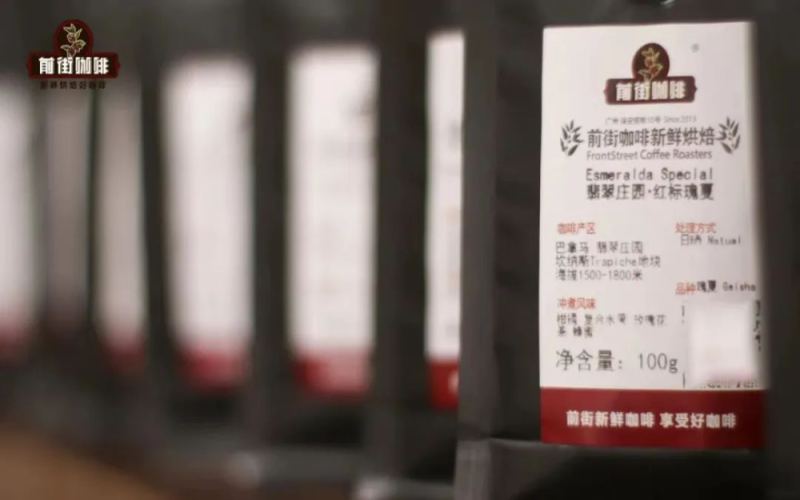
What exactly is a micro-lot coffee? From production volume to the Esmeralda Estate auction Geisha, a detailed look at its many types
When selecting coffee beans, you may have noticed the term "micro-lot coffee." Literally, it seems to refer simply to a smaller batch of beans, but the reality is far more than that. The core of a micro-lot lies in being "specially treated" or "having something unique," rather than merely being low in volume. This article will walk you through the true meaning of micro-lot coffee and introduce different categories one by one, including innovative experimental, meticulously selected, air-freight pre-heated, and private custom types. We will also mention Hacienda La Esmeralda's annual process of selecting the best plots through cupping for auctions, as well as information about Front Street Coffee, to help you fully understand the diverse aspects of micro-lot coffee. [more…]
Kenyan Specialty Coffee Brand Recommendation: Front Street Muchagara AA TOP Micro-Lot Flavor and Origin Analysis
Kenyan coffee has always been known for its vibrant fruit notes and solid acidity, and AA grade is the classic among specialty coffees. This Muchagara AA TOP micro-lot from Front Street Coffee may be limited in yield, but it offers a complex flavor interweaving blackberry, grapefruit, and smoked plum, with jasmine floral notes and caramel sweetness emerging in the middle, a silky-smooth mouthfeel, and a clean finish. This article will explore this bean's producing region background, the characteristics of the SL28 and SL34 varieties, the washed double fermentation processing method, and why a medium roast best showcases its malic acidity, giving you a comprehensive understanding of this rare Kenyan gem and also introducing the special characteristics of peaberry (PB). [more…]

Is Micro-Lot Coffee Always Higher Quality? Decoding the Unique Flavors of Costa Rica's Musician Series Mozart
Micro-lot coffee is often labeled as high quality, but is it necessarily superior to regular lots? This article examines the true positioning of micro-lot coffee from the perspectives of transportation costs, estate production logic, experimental processing, auction selections, and private customization. At the same time, using the Costa Rica Musician Series Mozart as an example, it introduces the flavor performance of this raisin honey-processed micro-lot from Front Street Coffee's bean list, and analyzes the differences between air-freighted lots and sea-freighted lots, helping coffee enthusiasts view the concept of micro-lots rationally. [more…]
Exploring Costa Rica's Diamond Series: A Full Analysis of the Black Honey Process Venecia Micro-Lot Coffee Beans
Costa Rican coffee exports have shown strong performance recently, with export volume surging by nearly 85% year-on-year in November 2020. This was driven by favorable weather, meticulous estate management during the pandemic, and robust demand in the international market. This article focuses on the Venecia variety from Costa Rica's Diamond series, a natural mutation of Caturra that offers stronger disease resistance and high yield. Front Street Coffee brings this micro-lot from the Tarrazu region, processed using the black honey method, grown at an altitude of 1700-1800 meters, and graded SHB. We will delve into the origins of the Venecia variety, the selection philosophy of the Diamond series, the unique craftsmanship of the black honey processing method, and include Front Street's roasting curve, cupping report, and brewing parameters, presenting coffee enthusiasts with a specialty coffee rich in flavor and prominent sweetness. [more…]
Colombia Huila San Agustin El Mirador Estate Pink Bourbon Micro-Lot Specialty Coffee Bean Story
In the small town of San Agustín in Colombia's Huila region, there is a national archaeological park designated as a UNESCO World Heritage Site. This place is not only home to Colombia's earliest human settlement, but also produces one of the world's rarest coffees: Pink Bourbon. Pink Bourbon is a natural hybrid of Yellow Bourbon and Red Bourbon, a rare variety resulting from recessive gene expression, difficult to cultivate with extremely low yields. The green bean buying team at Front Street Coffee traveled personally to Finca El Diviso to select this micro-lot washed Pink Bourbon, which presents sweet orange, sugarcane sweetness, and a pleasant juicy mouthfeel. This article will guide you through the genetic secrets of Pink Bourbon, its cultivation challenges, and the story and flavor profile behind this coffee. [more…]
Which estate does Saint Lion coffee bean come from? A full analysis of the flavor of the Hambela Benti Nenqua micro-lot special processing method
Sacred Lion coffee beans have attracted considerable attention from coffee enthusiasts in recent years. Which estate do these beans actually come from? And what makes them so special? The answer points to Ethiopia's Hambela estate, specifically lot 121 produced by the single farm Benti Nenqua. The estate belongs to METAD, and after Aman Adinew, who once held a key position at a Fortune 500 company, took over the family business, he introduced corporate management and SCAA quality standards, equipping it with a farm, processing plant, and coffee laboratory. Green bean traders named it "Sacred Lion" and specifically noted the SLD single-layer slow drying process to distinguish it from other natural Ethiopian beans. The cupping profile presents tropical fruit, citrus, stone fruit, strawberry jam, and a blueberry finish. This article will provide a complete introduction to this micro-lot's origin background, processing method, and flavor characteristics, while retaining relevant recommendations for the Front Street Coffee brand. [more…]
Micro-lots and Cooperatives: The Journey of a Hand-Pour Bean from Farm to Shelf
On specialty coffee menus, words like "micro-lot," "cooperative," and "processing station" are appearing more and more frequently, and price tags often jump up along with them. Behind these words lies an entire organizational system of origin—from seed to your pour-over dripper, the supply chain behind a bag of coffee is far more fascinating than you might imagine. First, let's look at the survival structure of smallholder farmers. [more…]
Front Street Coffee Colombia Pine Tree Estate Anaerobic Dried Fruit Natural Coffee Beans: Fruit Wine Flavor and Castillejo Variety Analysis
This anaerobic dried-fruit natural coffee from Finca El Pino in Antioquia, Colombia, brought to you by Front Street Coffee, is a micro-lot custom-flavored bean from the 2019 harvest. It uses the Castillo variety and, through a refined anaerobic dried-fruit natural process, presents rich layers and extremely high sweetness. This coffee, named "Fruit Brew," is intended to express notes of ripe dried fruit and fruit wine. Front Street designed a well-developed light roast profile for it, striving to maintain a clear and intense flavor expression from high to low temperatures, with excellent smoothness and sweetness. This article will introduce in detail the background of Finca El Pino, the characteristics of the anaerobic dried-fruit natural process, and the flavor profile and roasting approach of this coffee, taking you deeper into the charm of this unique micro-lot coffee. [more…]
Costa Rican Coffee Micro-Lot Guide: A Full Analysis of Terroir Characteristics Across Eight Major Regions and Honey Processing Techniques
Costa Rica is one of the representative origins of specialty coffee in Central America, divided into eight major coffee regions nationwide, each nurturing distinctly styled coffees through its unique terroir. This article, from the perspective of Front Street Coffee's bean selection, systematically reviews Costa Rica's regional distribution and the influence of altitude and climate on flavor, with a focus on comparing two beans: the Tarrazú washed daily drinker and the Giant Stone Estate blueberry anaerobic heavy honey process. It also details the processing differences among white honey, yellow honey, red honey, and black honey, and includes Front Street's standard brewing parameters to help coffee enthusiasts more clearly understand the flavor divide between washed and honey processing in the cup. [more…]
A Flavor Tasting Guide to Single-Origin Pour-Over Coffee: Eight Selected Micro-Lot Bean Recommendations from Front Street Coffee
In recent years, the third wave of specialty coffee has swept in, drawing more and more coffee lovers to single-origin coffee. Single-origin coffee refers to beans from a single producing region; these beans are usually of higher quality, and during roasting, adjustments are made specifically according to the characteristics of the origin and variety, striving to restore the coffee's most authentic regional flavor. So how should a cup of high-quality pour-over single-origin coffee be tasted? And where should you start when choosing beans? This article will guide you through the five key steps of tasting pour-over coffee, and, starting from the three major influencing factors of producing region, variety, and processing method, select eight single-origin beans from Front Street Coffee for your reference, covering classic origins such as Ethiopia, Indonesia, Brazil, Costa Rica, Kenya, Colombia, and Panama, to help you find the cup that suits your taste. [more…]
Micro-lots as Small as a Few Sacks—What Makes Them So Memorable?
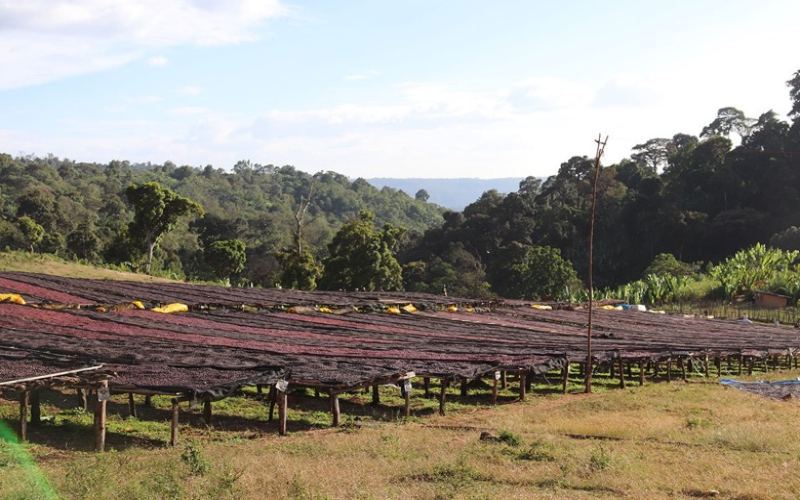
In the world of specialty coffee, micro-lot is a term that sets hearts racing. It might come from a small east-facing plot on an estate, or from a small batch of green beans processed separately in a single fermentation tank at a processing station. The yield is often only a few dozen bags, and once they're sold out for the season, you'll have to wait until next year for that same flavor. This sense of exclusivity, [more…]
The Rise of the Honduran Coffee Industry and a Flavor Analysis of Five Renowned Estate Brands
The history of coffee cultivation in Honduras can be traced back to the late 18th century, when Spanish merchants introduced coffee trees to this land. After experiencing slow development following independence, improvements in infrastructure, the devastating blow of Hurricane Mitch in 1998, and the remarkable industry revival that followed, Honduras has now become one of the world's top five coffee-producing countries, with an annual output of more than 475,000 metric tons, and has become an important exporter of high-quality Arabica coffee beans. This article will review the ups and downs of Honduran coffee and introduce five representative Honduran coffee brands selected by Front Street Coffee, covering Macara Organic Coffee, Tropical Fruit Bourbon Micro-lot, Monte Vista Craft Coffee, Maud's Organic K-Cups, and Copan Region Volcanic Coffee, analyzing each brand's origin background, processing methods, and cup profile. [more…]
Colombia Huila Finca Virginia Pink Bourbon Double Fermentation Flavor Analysis and Anaerobic Processing Method Exploration
The Red Bourbon double-fermented coffee produced by Finca Virginia in Colombia's Huila Department, with its complex flavors of wine-soaked cherries, dried figs, and longan honey, along with a full-bodied, red-wine-like mouthfeel, has become a highly anticipated micro-lot in the specialty coffee world. This article will provide an in-depth analysis of the flavor origins of this Front Street Coffee recommendation, explore the processing characteristics of double fermentation and anaerobic methods, and introduce the terroir conditions of the Planadas producing region in Huila Department along with the overall landscape of Colombia's coffee industry. [more…]
Colombia Finca El Viento Sweet Bee Coffee Beans: A Full Analysis of Variety, Grade, Honey Processing, and Flavor Profile
Located in the Santa Barbara production area of Antioquia Department, Finca El Viento sits at 1,820 meters above sea level. Built on a foundation of Colombia and Caturra varieties, it uses a honey processing method to create the micro-lot Sweet Bee coffee. This bean presents a complex flavor profile of honey citron tea, black plum, red grape, and clove, and estate owner Alejandro Trujillo uses self-made covered drying racks for meticulous processing. This article will systematically sort out the origins of coffee cultivation in Colombia, the concept of estate beans and key purchasing points, and provide an in-depth introduction to the specific information and quality characteristics of Finca El Viento Sweet Bee. At the same time, combined with Front Street Coffee's recommendation, it offers coffee lovers a complete reference on flavor and quality. [more…]
A Roundup of Famous Kenyan Coffees: Parsing the Grading System from CBK Auctions to AA Plus Micro-Lots
Kenyan coffee has always held an important position in the specialty Arabica market. Local production is dominated by smallholder farmers, and high-grade beans must be assessed and graded by the Kenya Coffee Board (CBK) before being sold through weekly auctions. This article will outline the brand context and grading logic of Kenyan coffee, with a focus on interpreting the characteristics of the AA Plus micro-lot grade—it has brighter fruit notes and red wine aromas than regular AA. At the same time, it presents the complete profile of Front Street Coffee's Nyeri region Mossball AA Plus, including the SL28 variety, altitude of 1,700 to 1,800 meters, washed processing, and cup tasting notes, helping enthusiasts understand the full picture of Kenyan coffee from the auction system to its performance in the cup. [more…]
Exploring Costa Rica's Tarrazú Dota Region: A Comprehensive Analysis of Micro-Lot Geisha and Hacienda La Esmeralda Auction Geisha
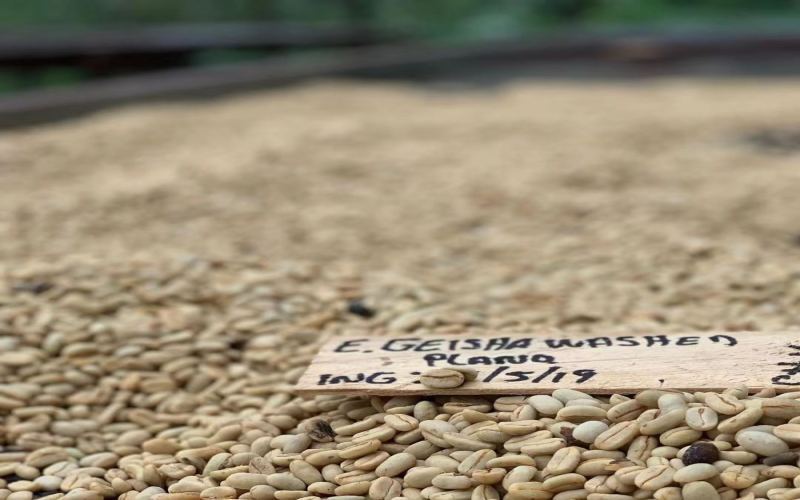
Geisha and Yirgacheffe are actually the same type of coffee, transliterated from Japanese. This article begins with the red, green, and blue label classifications of Panama's Hacienda La Esmeralda, sorting out its strict quality control and auction lot standards, and tracing Geisha's legendary path from the forests of Ethiopia to Kenya, Tanzania, Costa Rica, and then to Panama, where it rose to fame. It also delves into Gesha Village to explain the variety differences between Gori Gesha and Gesha 1931, the meanings of the OMA and SURMA block numbers, and the traceability system for natural process lots. Finally, it presents complete information on three products launched by Front Street Coffee: Ethiopia Gesha Village Natural, Panama Hacienda La Esmeralda Red Label Washed, and Costa Rica Tarrazú Dota Goddess Estate Geisha. [more…]
A Complete Guide to Panama Santa Teresa Estate Coffee: The Flavor and Award-Winning History of Boquete-Grown Catuai Washed Beans
Located at the border between Panama and Costa Rica, Hacienda Santa Teresa is a hundred-hectare high-altitude coffee estate. Owner Juan Pablo Berard and his daughter Maria Luisia manage this land together, deliberately preserving twenty-five hectares of primary forest as a habitat for wildlife. The estate cultivates varieties such as Caturra, Catuai, and Geisha, and thanks to the volcanic black soil and the dual climates of the Pacific and Atlantic, it nurtures diverse micro-lot specialty coffees. The estate has repeatedly achieved outstanding results in Panama's annual Cup of Excellence (CoE) competition and was even selected in 2012 by the World Brewers Cup champion. This article will guide you through the estate's geography, cultivation philosophy, the flavor expression of its washed Catuai, and its award-winning records over the years, offering an in-depth look at the charm of this quintessential washed Panamanian coffee. Front Street Coffee also recommends paying attention to this estate's lots. [more…]
Front Street Selection: Panama 90+ Geisha Estate Eleta Coffee Beans—Rich Layers of Tropical Fruit Flavors, Worth Savoring
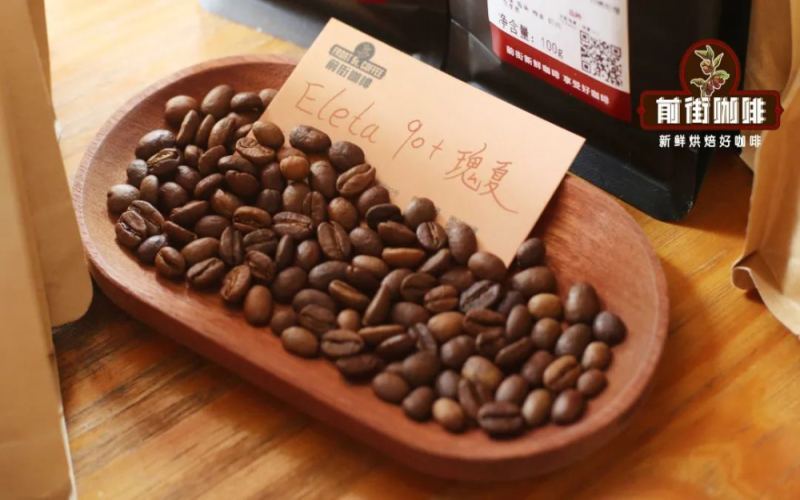
Front Street Coffee is bringing you a micro-lot coffee bean from the 90+ Geisha Estate Eleta, sourced from Panama's Volcán region. This bean uses the 90+ processing method, is medium-roasted, grown at an altitude of 1,400 to 1,800 meters, and is produced by the 90+ company. In terms of flavor, it presents bergamot, sweet orange, ripe grapes, fermented notes, and a variety of tropical fruit aromas. This article will provide coffee lovers with a complete and detailed introduction, from the background of the 90+ brand and the founding history of the Geisha Estate to the specific flavor expression of this Eleta Geisha, helping everyone understand the unique charm and tasting points of this bean. [more…]